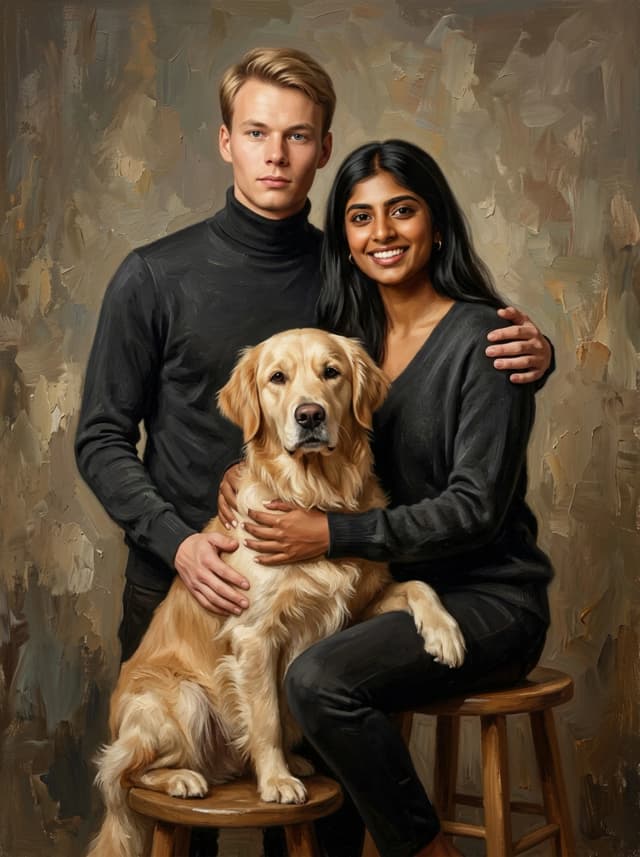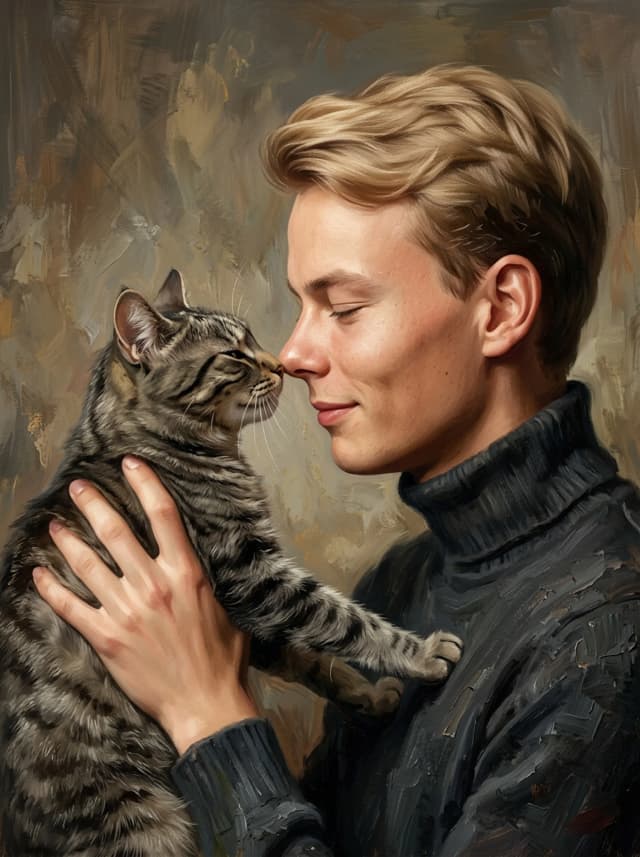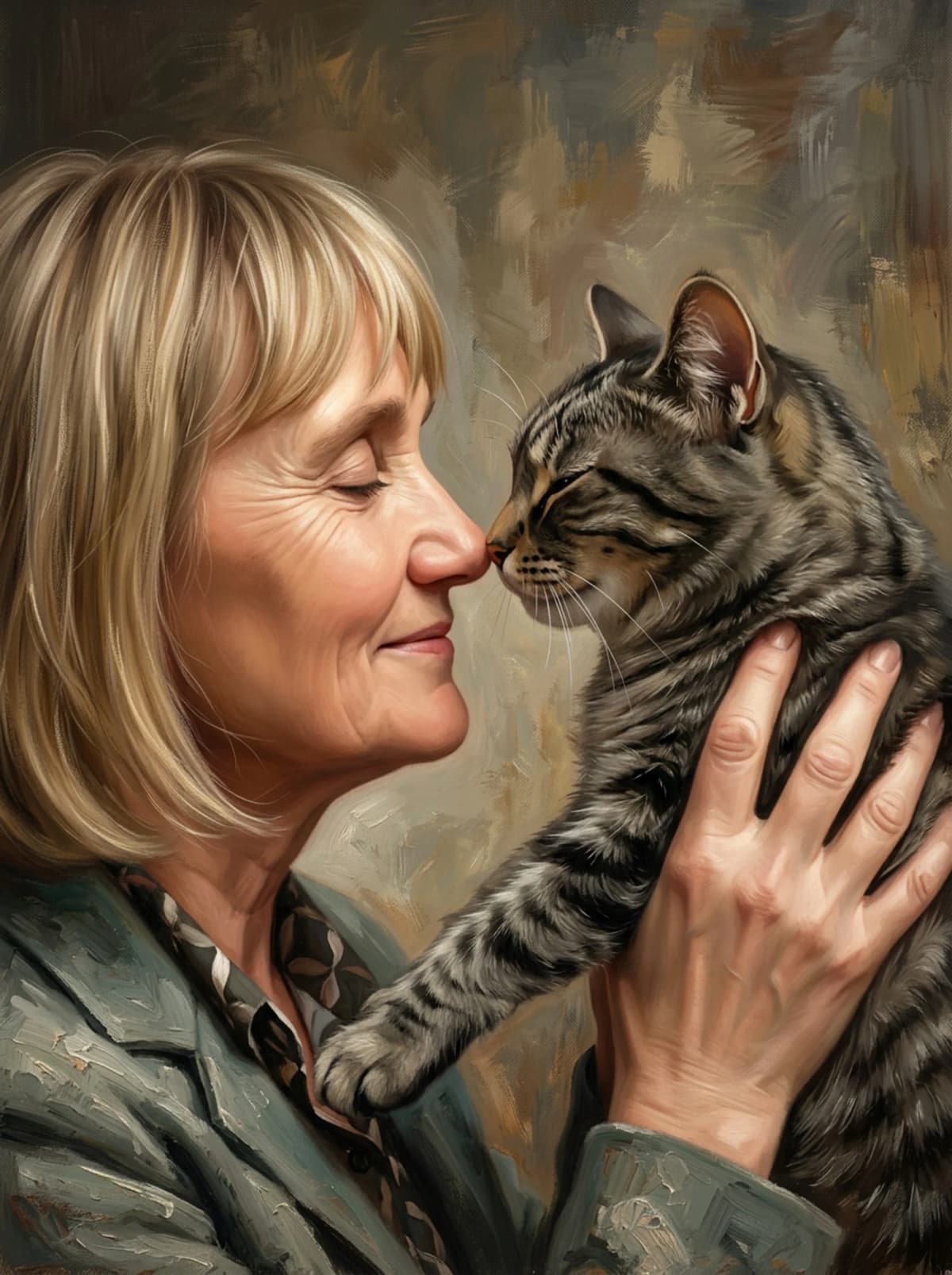
Painting someone's pet isn't a modern novelty. It's a tradition that's been going strong since the Renaissance. And the reasons people commission pet portraits today are remarkably similar to the reasons they did it four centuries ago: love, status, and the desire to make something last.
Van Dyck's Dogs (1630s)
Sir Anthony van Dyck was court painter to King Charles I. In his royal portraits, the king's spaniels aren't background props, they're rendered with the same care as the human subjects. Van Dyck understood something: the dogs were family. Painting them with dignity wasn't sentimental. It was accurate.
These paintings hang in the National Gallery and Windsor Castle today. The dogs look like dogs you might know. Warm eyes, soft ears, a look of comfortable belonging. That's 400 years old and it still resonates.
Stubbs and the Science of Animals (1760s)
George Stubbs spent months dissecting horses to understand their anatomy before painting them. The result was a body of work that elevated animal painting from decoration to fine art. His horse portraits are precise, dignified, and emotionally charged. He proved that animal subjects could carry a painting on their own.
Landseer's Emotional Dogs (1840s)
Edwin Landseer painted dogs with drama and narrative. His work made Victorians cry. He was the first artist to consistently treat dogs as emotional beings in paint, not just decorative elements in a hunting scene. His painting "Dignity and Impudence" (a Bloodhound and a West Highland Terrier together) was one of the most reproduced images of the 19th century.
The 20th Century Gap
Photography largely replaced painted pet portraiture in the 1900s. The tradition went quiet for about 80 years.
Today
AI has made classical-style pet portraiture accessible again. What once required weeks of an artist's time and hundreds of pounds now takes seconds and costs a fraction. The technology is new. The impulse, wanting to honor your pet in art, is ancient.